Course Overview
Recognizing and reporting child abuse and neglect is one of the most consequential — and legally exacting — responsibilities a mental health practitioner holds. This course gives California-licensed clinicians and pre-licensed associates a comprehensive, evidence-based foundation in CANRA's legal framework, the recognition of all major abuse categories, and forensically defensible interviewing and reporting practice.
What this course covers:
• California's CANRA legal framework (Penal Code §11164 et seq.), mandated-reporter duties, and timelines
• Recognizing physical abuse: injury patterns and accidental-vs-inflicted differentiation
• Recognizing sexual abuse, including disclosure dynamics and technology-facilitated abuse
• Recognizing neglect, including the poverty-vs-neglect distinction
• Emotional abuse, witnessing violence, and coordination with elder/dependent-adult reporting
• Family, community, and cultural risk and protective factors
• Forensically defensible clinical interviewing with children and adolescents
• Reporting procedures: the initial telephone report, the SCAR/DOJ SS 8572 form, and the 36-hour timeline
• Working with Child Protective Services and navigating the therapeutic relationship post-report
• Four applied case vignettes covering physical abuse, sexual abuse, neglect, and witnessed violence
Participants leave able to recognize reportable abuse, conduct a defensible interview, and complete a compliant CANRA report while protecting the therapeutic relationship.
Blossom Wellness Counseling maintains responsibility for this program/course and their content.
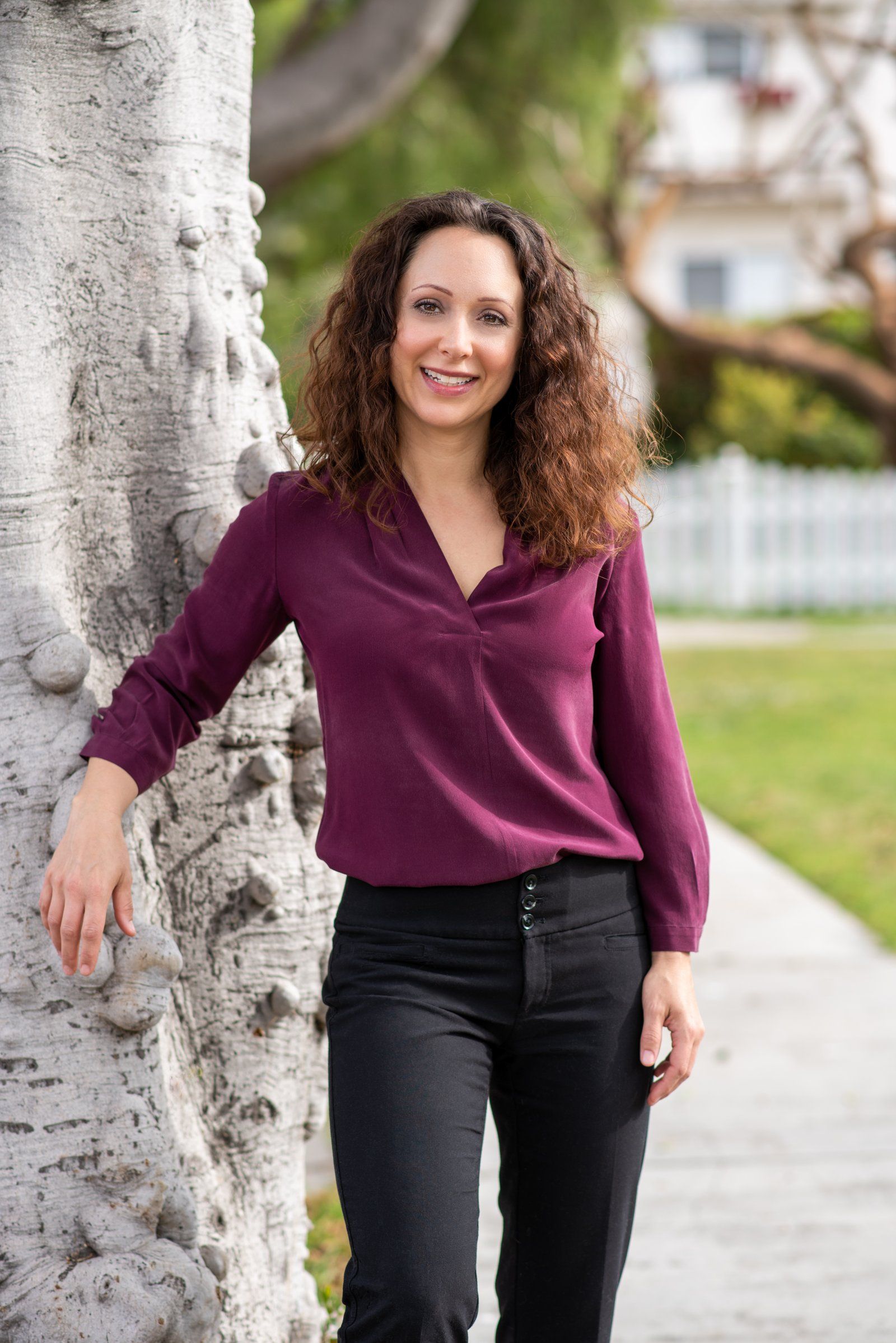
Instructor: Jeanne Prinzivalli
Jeanne Prinzivalli - LMFT (License #52833) — Clinical Director & Director of Continuing Education, Blossom Wellness Counseling.
Jeanne Prinzivalli, LMFT, is the Clinical Director and Director of Continuing Education at Blossom Wellness Counseling in Los Angeles, where she has maintained a private practice serving adults since 2013. She holds an M.A. in Clinical Psychology (MFT track) from Antioch University Los Angeles. Her clinical experience spans community mental health, telehealth, forensic and parole-population work, trauma-focused outpatient care, and domestic-violence intervention. She integrates core belief work across orientations.
Empty space, drag to resize
Educational Goals
- Build a comprehensive working knowledge of California's CANRA legal framework.
- Develop competence in recognizing physical, behavioral, and developmental indicators of child abuse and neglect.
- Strengthen clinical interviewing and assessment skills for working with children who may have been abused.
- Equip with practical knowledge of reporting and coordination with Child Protective Services.
Learning Objectives
By the end of this course, participants will be able to:
- Identify the statutory categories of reportable child abuse and neglect under CANRA (Penal Code §11164 et seq.).
- Recognize physical, behavioral, and developmental indicators of physical abuse, sexual abuse, neglect, and emotional abuse.
- Conduct a forensically defensible clinical interview with a child who may have been abused.
- Construct and submit a complete CANRA report (telephone and SCAR/DOJ SS 8572) within the 36-hour timeline.
- Identify risk and protective factors and adapt practice for cultural considerations.
- Navigate the therapeutic relationship, family system, and clinician self-care implications of reporting.